Sleeping Bag Temperature Ratings, Actually Explained
Why the number on the tag isn't the number that matters, and how to actually stay warm.

Key Takeaways
- Temperature ratings indicate survival, not comfort — the actual comfortable range is warmer than the label
- The EN/ISO rating system gives three numbers (comfort, limit, extreme), not just one
- Kids run colder than the ratings assume, since most testing is based on adult bodies
- A sleeping pad's R-value matters as much as the bag's rating — ground cold is often underestimated
- When in doubt, buy warmer than you think you need; you can always vent a too-warm bag
The Number on the Tag Isn't What You Think It Means
A sleeping bag labeled "20°F" doesn't mean you'll be comfortable at 20 degrees — it typically means an average adult could survive the night at that temperature without hypothermia, not sleep well. This single misunderstanding causes more cold, miserable camping nights than almost any other gear mistake.
Understanding the EN/ISO Rating System
Most reputable sleeping bag manufacturers now use a standardized testing system (EN 13537 or the newer ISO 23537) that provides three separate numbers rather than one:
- Comfort rating — the temperature at which an average adult (typically modeled as female, who tends to sleep colder) should stay comfortable through the night
- Limit rating — the lower temperature at which an average adult (typically modeled as male) can sleep without waking from cold, though not necessarily comfortably
- Extreme rating — the survival threshold — cold enough that hypothermia risk becomes real, not a temperature to plan around
The number prominently printed on the bag or listing is very often the limit rating, not the comfort rating — which is exactly why a "20°F bag" can leave people cold at 30°F.
Kids Run Colder Than the Ratings Assume
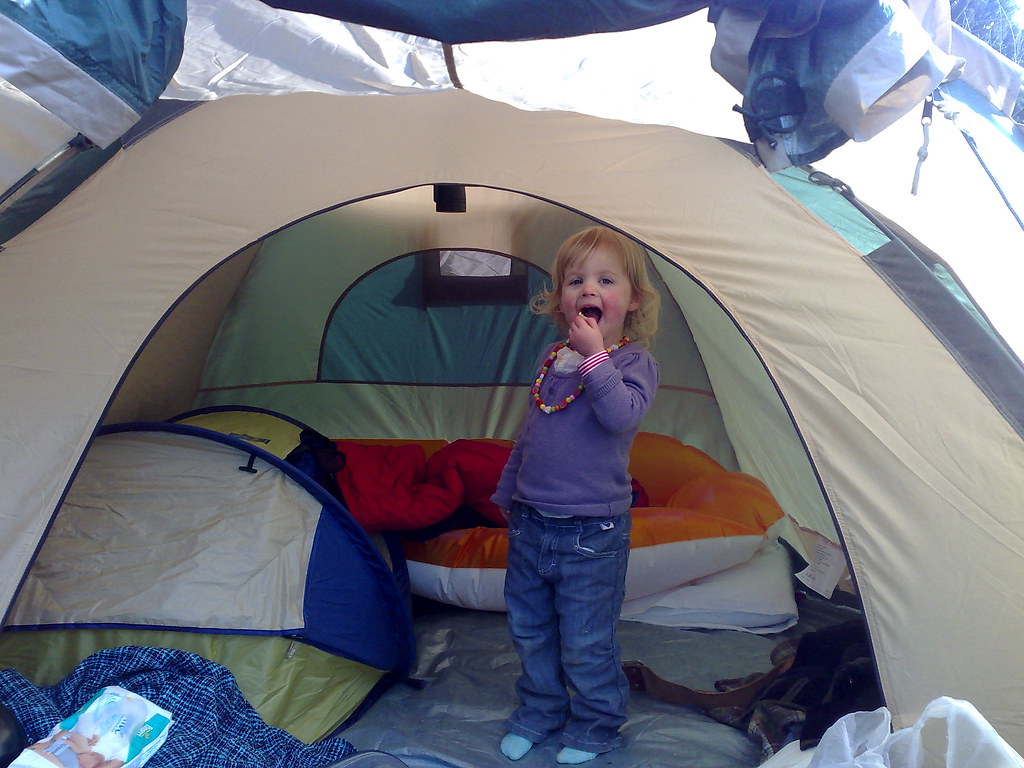
Temperature ratings are based on adult body composition and metabolism. Kids, especially younger ones, generally have less insulating body fat and a higher surface-area-to-body-mass ratio, meaning they lose heat faster than the adult-based testing accounts for. As a practical adjustment, consider a bag rated at least 10-15°F warmer than the expected overnight low when shopping for a child's sleeping bag, rather than matching the rating directly to forecasted temperatures.
The Ground Matters as Much as the Bag
A high-quality, appropriately-rated sleeping bag can still leave someone cold if they're sleeping directly on an uninsulated surface — the ground draws heat away from a sleeping body constantly, regardless of air temperature. This is where a sleeping pad's R-value (its resistance to heat flow) becomes just as important as the bag's temperature rating:
- R-value 1-2 — suitable for warm-weather camping only
- R-value 3-4 — reasonable for three-season use
- R-value 5+ — needed for genuine cold-weather or winter camping
Pairing a well-rated bag with a low R-value pad is one of the most common reasons people report being cold despite having "good enough" gear.
When in Doubt, Buy Warmer
Since ratings run optimistic and kids run colder than average testing assumes, the safer default is to buy a bag rated for temperatures colder than you expect to encounter. A too-warm bag is easily solved by unzipping or venting; a too-cold bag mid-trip has no equivalent fix.
The Practical Takeaway
Look past the single number on the tag — check whether it's a comfort or limit rating, add a real margin for kids, and don't forget the sleeping pad is doing half the work. A slightly "overkill" bag paired with a decent pad will consistently outperform a perfectly-rated bag on thin ground insulation.