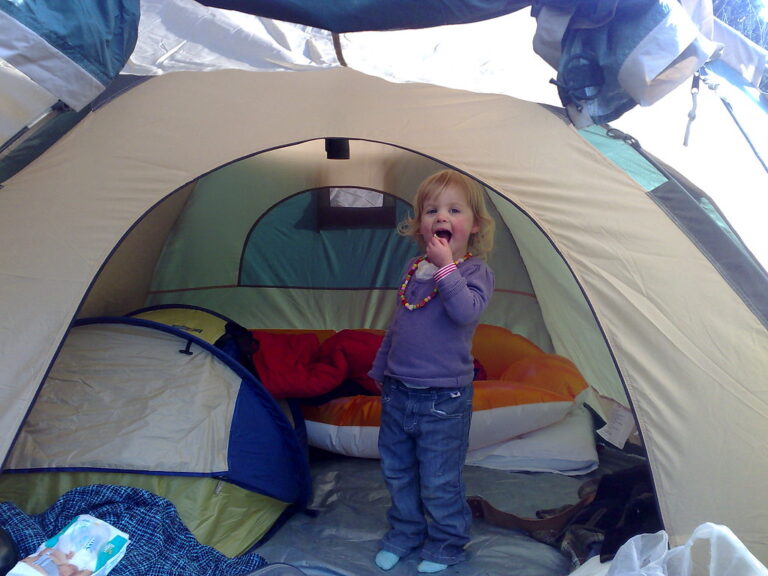
The Only Tent Buying Guide You Need for Family Camping
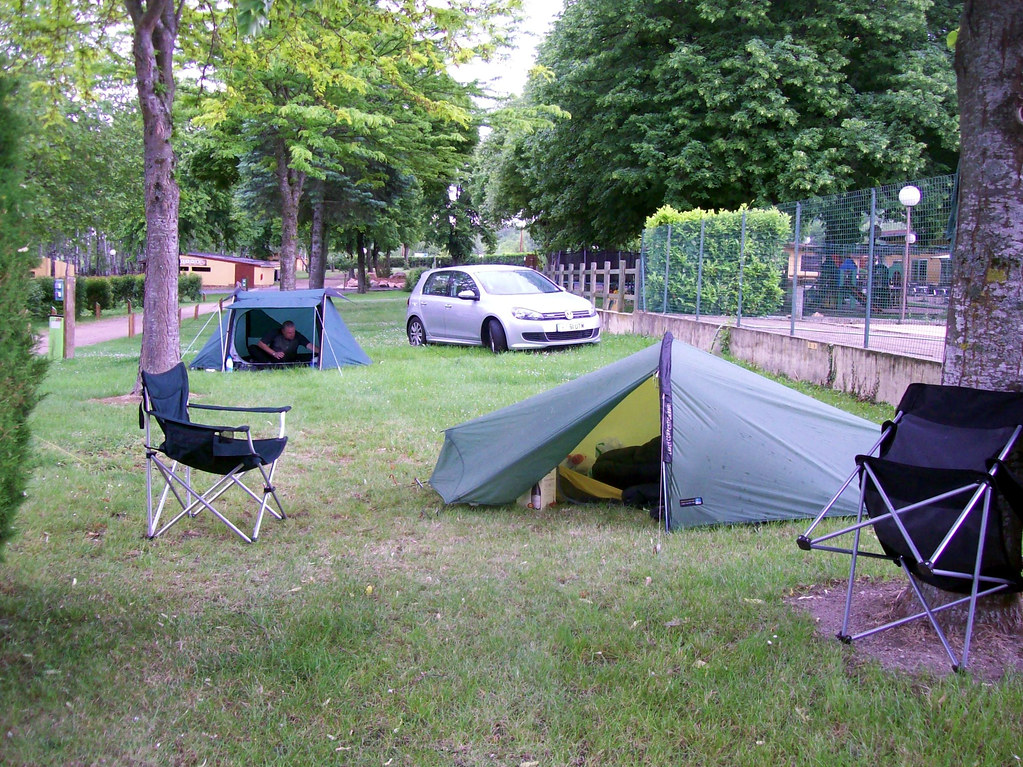
A no-nonsense breakdown of sizing, weatherproofing, and setup that actually matters for family camping.

Key Takeaways
- Tent "sleeps X" ratings are based on sleeping bags touching shoulder-to-shoulder, not real comfort — size up
- Weatherproofing comes down to two numbers: rainfly coverage and floor waterhead rating
- Setup difficulty matters more for families than most reviews acknowledge — practice at home before your first trip
- Freestanding vs. non-freestanding affects how forgiving the tent is on imperfect ground
- Ventilation prevents condensation, which matters as much as rain protection
Ignore the "Sleeps X" Number
Every tent lists a capacity — "sleeps 4," "sleeps 6" — based on sleeping bags placed directly touching, shoulder to shoulder, with zero space for gear, kids who move around at night, or a dog who inevitably ends up in the middle. For actual family comfort, size up by one full capacity level from your family count: a family of four should look at a 6-person tent, not a 4-person one.
Weatherproofing Comes Down to Two Numbers
Rainfly Coverage
Look for a rainfly that extends close to the ground on all sides, not just over the roof. A partial rainfly that only covers the top mesh panel leaves the tent walls exposed to wind-driven rain — fine in a light drizzle, not fine in a real storm.
Floor Waterhead Rating
This number (measured in millimeters) indicates how much water pressure the tent floor can resist before leaking. For general family camping, look for at least 3,000mm; for wetter climates or frequent use, 5,000mm+ gives real peace of mind against ground moisture and light flooding.
Practice Setup at Home Before Your First Real Trip
This is the step almost every gear guide skips, and it's the one that actually prevents first-trip frustration. Set the tent up fully in your backyard or living room before ever taking it to a campsite — not just to confirm it works, but so that whoever's setting it up isn't learning the process for the first time while kids are tired and losing patience nearby.
Freestanding vs. Non-Freestanding
Freestanding Tents
Hold their shape via poles alone, without needing stakes to stand up. Easier to reposition once assembled, and far more forgiving on rocky or uneven ground where stakes don't sit well.
Non-Freestanding Tents
Rely on staking and guy-lines for their shape — generally lighter and often more spacious for their weight, but require the right ground conditions and more setup precision. For most car-camping families, freestanding is the more forgiving choice, especially for a first tent.
Ventilation Matters as Much as Rain Protection
A tent that keeps rain out but traps moisture inside leads to condensation dripping from the ceiling by morning — which feels just as wet as a leak, even though it's not one. Look for mesh panels on the tent body itself (not just the rainfly) and vents near the top of the rainfly that allow airflow without letting rain in.
The Real Checklist
- Size up one capacity level from your actual family count
- Full rainfly coverage, not just a top panel
- At least 3,000mm floor waterhead rating (5,000mm+ for wetter climates)
- Freestanding, for forgiving setup on imperfect ground
- Mesh body panels plus rainfly vents for real ventilation
- A full practice setup at home before the first real trip
A tent that checks these boxes doesn't need to be the most expensive or most reviewed — it needs to fit your family's actual size, your local weather, and your own setup patience.