Beach Days Without the Meltdowns: A Packing and Timing Guide
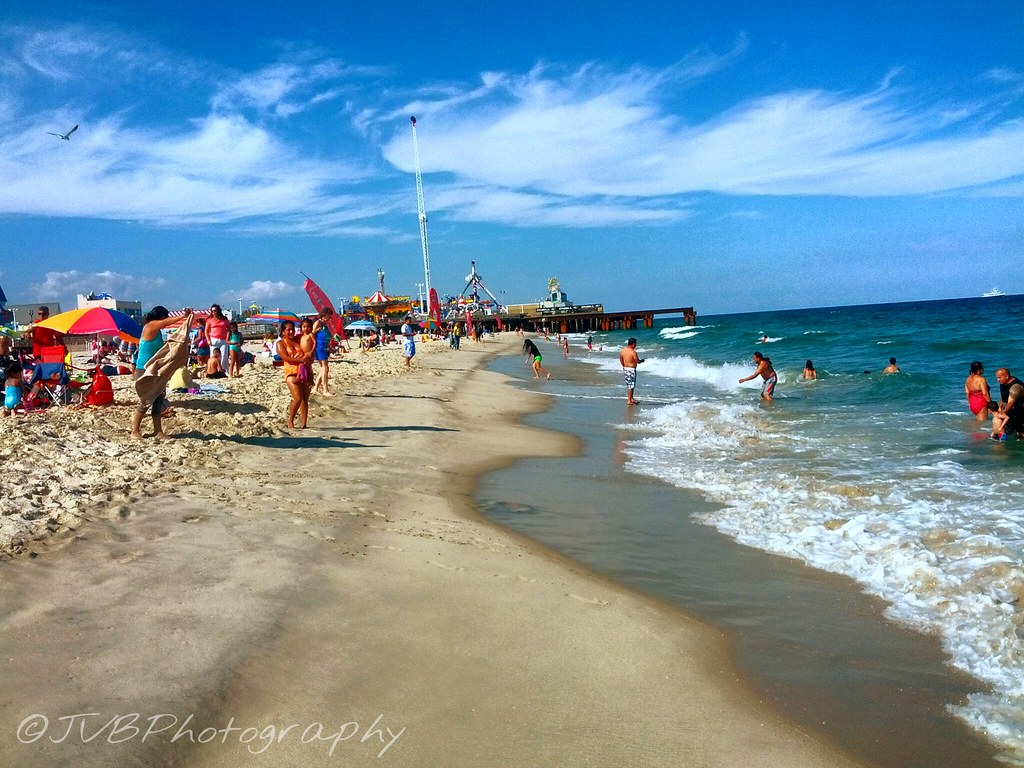
A timing and packing guide built around naps, tides, and sun — the real reasons beach days go sideways.

Key Takeaways
- Most beach-day meltdowns come from timing and logistics, not the beach itself
- Planning around nap schedules and tide times matters more than which beach you pick
- A few sand-management items dramatically reduce end-of-day friction
- Sun protection needs a real plan, not just sunscreen applied once at 10am
- Shorter, well-timed trips usually beat longer, poorly-timed ones
The Beach Isn't the Problem — The Schedule Is
Most family beach-day disasters aren't really about the beach. They're about a toddler who missed a nap, a sunburn nobody caught until it was too late, or a mid-afternoon meltdown over sand in someone's snack. The beach itself is usually fine — it's the logistics around it that need real planning.
Time It Around Naps and Tides, Not the Weather App
Nap Schedules
If you have a napper in the family, build the trip around their nap rather than fighting it. Either go early and leave before the usual nap window hits, or plan a longer trip that includes a car-nap or shaded rest period midday. A beach trip that runs straight through an overdue nap rarely ends well, regardless of how nice the weather is.
Tide Times
Check tide tables before you go — a quick search for your beach's tide schedule takes two minutes and changes the whole experience. Low tide typically means more exposed sand, tide pools, and easier wading; high tide can mean a much narrower beach and stronger current close to shore. Neither is "better," but knowing which you're walking into helps you set expectations and pack accordingly.
Sand Management: A Few Items That Earn Their Space
Sand getting into everything is less about bad luck and more about not having the right small tools:
- A fitted-sheet-style beach blanket — stakes down at the corners and resists sand blowing onto it far better than a flat towel
- A small tub or bucket of water at the exit point for rinsing feet before getting in the car
- A dedicated "wet stuff" bag — separate from snacks and dry clothes, so nothing ends up soggy or gritty by accident
Sun Protection Needs a Real Plan, Not a Single Application
Sunscreen applied once at 10am doesn't hold up through a full beach day. Build in reapplication every couple of hours, and treat shade as infrastructure, not an afterthought — a pop-up canopy or umbrella isn't just for comfort, it's genuinely part of sun safety for a multi-hour trip. Hats and rash guards for younger kids reduce how much reapplying you need to remember mid-play.
Shorter and Well-Timed Beats Longer and Ambitious
There's a strong temptation to make a beach day count by staying as long as possible — but a well-timed 3-hour trip that ends before anyone's overtired or overheated will almost always beat a 6-hour trip that ends in a meltdown on the walk back to the car. Treat "leave while it's still going well" as a genuine strategy, not giving up early.
The Actual Formula
Check the tide, time it around naps, bring the small sand and sun tools that actually matter, and plan to leave a little before you think you need to. None of that requires the "perfect" beach — it just requires treating the logistics with the same care most people already give to picking the destination.