Camp Stoves Explained: Propane, Butane, and Liquid Fuel Compared
Propane, butane, and liquid fuel compared, so you can pick the right stove for how your family actually camps.

Key Takeaways
- Propane is the easiest and most beginner-friendly fuel type for car camping
- Butane canister stoves are lighter and better suited to backpacking than car camping
- Liquid fuel (white gas) stoves perform best in extreme cold but require more maintenance
- Fuel availability and cold-weather performance differ significantly between types
- Most family car-camping needs are best served by propane, not the "better" backpacking options
Not All Camp Stoves Run on the Same Thing
Camp stove shopping gets confusing fast because fuel type matters as much as the stove itself, and the "best" fuel depends heavily on how you're actually camping — car camping with a full trunk of gear is a very different situation from backpacking with everything on your back.
Propane: The Car-Camping Default
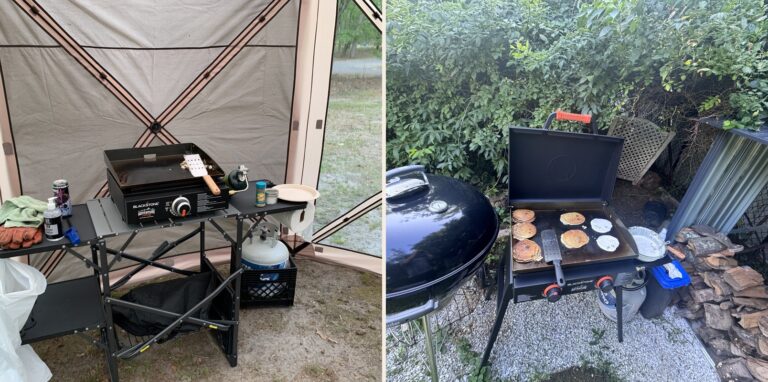
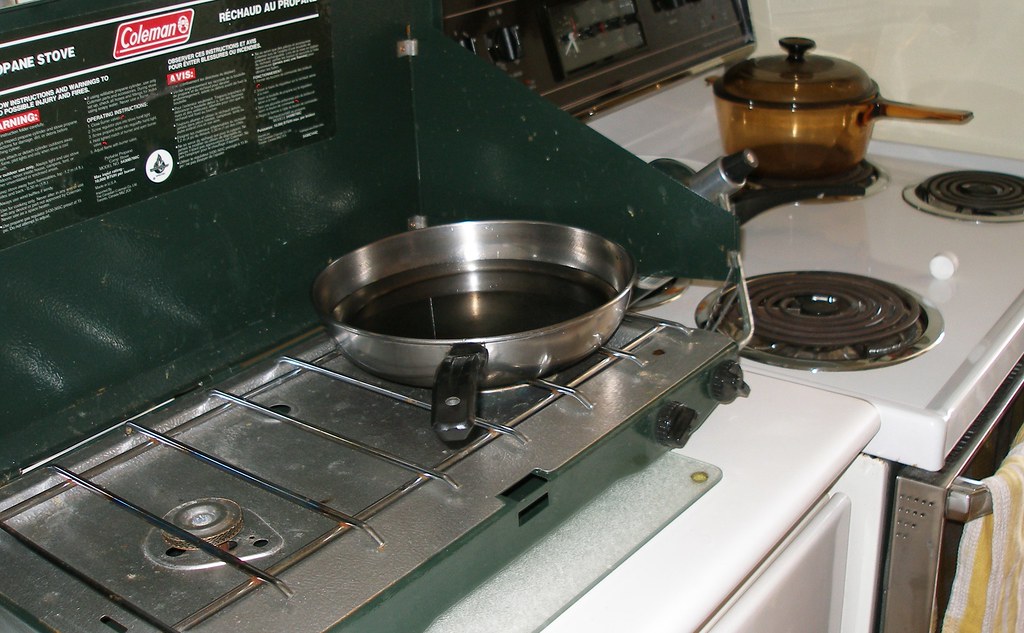
Propane comes in refillable or disposable canisters and is widely available at almost any gas station, hardware store, or grocery store near camping areas — a real advantage if you run low mid-trip. Propane stoves tend to be larger and heavier than other options, which is exactly why they're well-suited to car camping (where trunk space is available) and poorly suited to backpacking (where every ounce matters). Best for: family car camping, cooking multiple items at once (many propane stoves have two burners), situations where running out mid-trip needs an easy fix.
Butane: Lighter, But Less Available
Butane canisters are smaller and lighter than propane, making butane stoves popular for backpacking and minimalist setups. The tradeoff is availability — butane canisters aren't as universally stocked as propane, and if you run out mid-trip in a smaller town, finding a replacement can be harder than expected. Butane also performs poorly in cold temperatures, since it doesn't vaporize efficiently below freezing. Best for: backpacking, lightweight setups, warm-weather trips where cold performance isn't a concern.
Liquid Fuel (White Gas): Built for Extremes
White gas stoves burn hotter and perform reliably in genuinely cold conditions where propane and butane both struggle — a real advantage for winter camping or high-altitude trips. The tradeoff is maintenance: liquid fuel stoves typically require priming before lighting and more regular cleaning, and they're generally the least beginner-friendly option of the three to operate confidently on a first try. Best for: cold-weather or high-altitude camping, experienced campers comfortable with stove maintenance, situations where reliability in extreme conditions outweighs convenience.
Cold Weather Performance, Compared
- Propane — performs reasonably well in cold, though canister pressure drops somewhat as temperatures fall
- Butane — struggles significantly below freezing, often failing to vaporize properly
- Liquid fuel (white gas) — performs best in genuine cold, which is precisely why it's the choice for winter and high-altitude trips
What Most Families Should Actually Buy
For the overwhelming majority of family car-camping trips — moderate temperatures, driving to the campsite, cooking meals like the one-pot recipes covered in our outdoor cooking guide — a two-burner propane stove is the simplest, most available, and most forgiving choice. Butane and liquid fuel both solve real problems (weight and extreme cold, respectively), but they're solving problems most car-camping families don't actually have.
The Simple Recommendation
Start with propane unless you have a specific reason not to — genuine backpacking weight constraints (choose butane) or planned winter/high-altitude trips (choose liquid fuel). For everyday family camping, propane's availability and beginner-friendliness outweigh the marginal weight or cold-weather advantages of the alternatives.