What to Actually Look for in a Tow Hitch and Weight-Distribution System
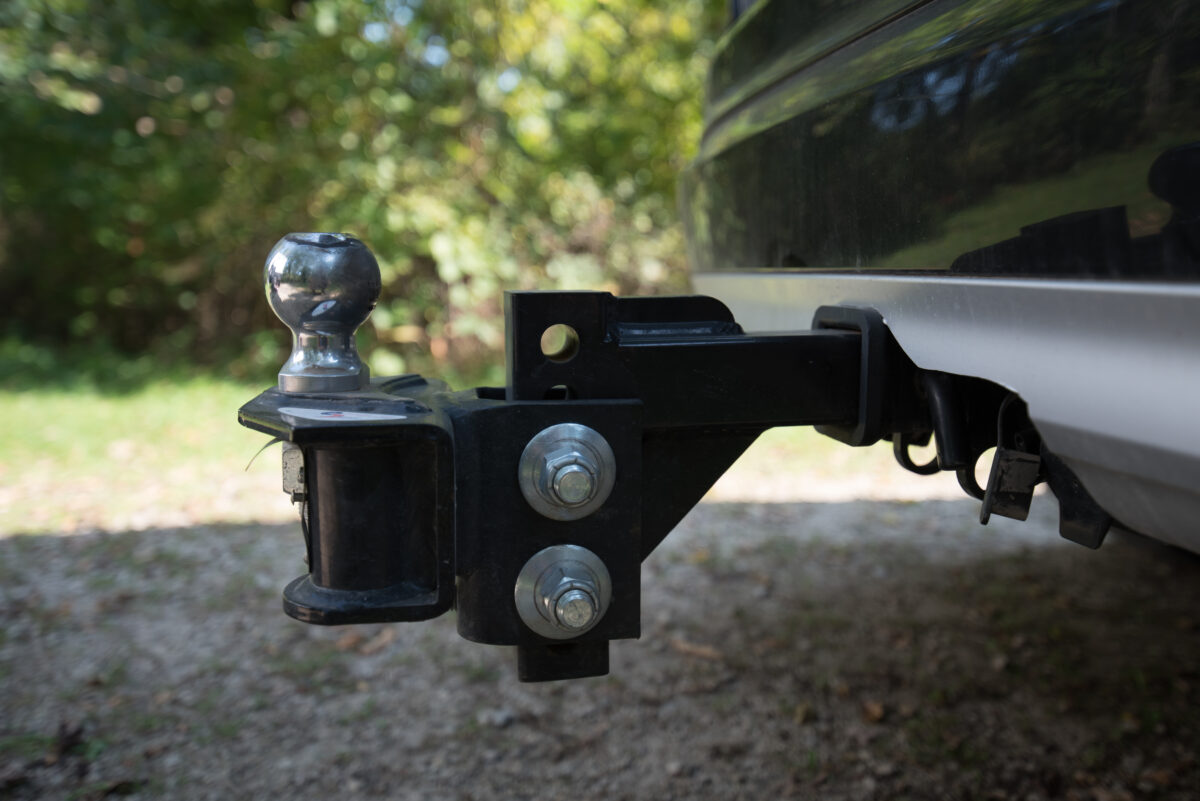
A plain-language guide to hitch class, weight distribution, and the small details that keep towing safe.

Key Takeaways
- The right hitch class is determined by your trailer's weight, not your tow vehicle's general capability
- Weight-distribution systems aren't optional extras for heavier trailers — they're a real safety component
- Sway control is a separate feature from weight distribution, and worth understanding on its own
- Matching ball size to your trailer's coupler is a small detail that causes real problems if wrong
- A dealer or hitch specialist can verify your full setup — worth the appointment before a first big trip
Start With Your Trailer's Weight, Not Your Truck's Rating
It's tempting to shop for a hitch based on what your tow vehicle is generally rated for, but the correct starting point is your trailer's actual loaded weight — including water tanks, propane, and gear, not just the empty "dry weight" listed by the manufacturer. Hitches are classified by weight capacity (commonly Class III, IV, and V for most travel trailers), and choosing based on trailer weight first ensures you're not under-matched regardless of what your truck could theoretically handle.
Weight Distribution Isn't Optional for Heavier Trailers
A weight-distribution hitch uses spring bars to transfer some of the trailer's tongue weight back onto the tow vehicle's front axle and the trailer's own axles, rather than letting it all sit on the rear of the tow vehicle. Without it, heavier trailers can cause "rear squat" — the back of your tow vehicle sagging, the front lifting slightly — which reduces steering control and braking effectiveness. As a general guideline, if your trailer's tongue weight exceeds what your vehicle manufacturer specifies as safe without distribution (often somewhere around 500-600 lbs, though this varies by vehicle), a weight-distribution system isn't a nice-to-have — it's addressing a real handling and safety issue.
Sway Control Is a Related but Separate Feature
Weight distribution and sway control often get bundled together in hitch systems, but they solve different problems. Weight distribution addresses how weight is balanced between vehicle and trailer; sway control specifically addresses side-to-side trailer movement, often caused by crosswinds or passing trucks. Many weight-distribution hitches include integrated sway control, but it's worth confirming a system actually has this feature rather than assuming it's automatic.
Match Ball Size to Your Coupler — Exactly
This sounds obvious, but it's a common and genuinely dangerous mistake: hitch balls come in different diameters (commonly 1-7/8", 2", and 2-5/16"), and using the wrong size relative to your trailer's coupler can result in the coupler popping off the ball while towing, even if it looks like it's attached correctly at a glance. Always confirm the exact ball size specified for your trailer, not just "close enough."
Have a Professional Verify the Full Setup
Before a first major trip — especially with a newly purchased RV or hitch system — it's worth a visit to a hitch specialist or RV dealer to verify the complete setup: correct hitch class, properly adjusted weight-distribution bars, correct ball size, and confirmation that your tow vehicle's capacity genuinely covers the trailer's loaded weight, not just its empty weight. This is a relatively small expense that catches mismatches before they become a problem at highway speed.
The Checklist Before You Tow
- Confirm your trailer's actual loaded weight, not just dry weight
- Choose hitch class based on that loaded weight
- Add weight distribution if tongue weight exceeds your vehicle's unassisted rating
- Confirm sway control is included or add it separately
- Match ball size exactly to your trailer's coupler
- Get a professional check before a first significant trip
This isn't the most exciting part of RV ownership, but it's the part that determines whether the actual towing experience feels stable and controlled — or unsettling every time a truck passes you on the highway.