Hiking Boots vs. Trail Runners: What Actually Matters for Family Hikes
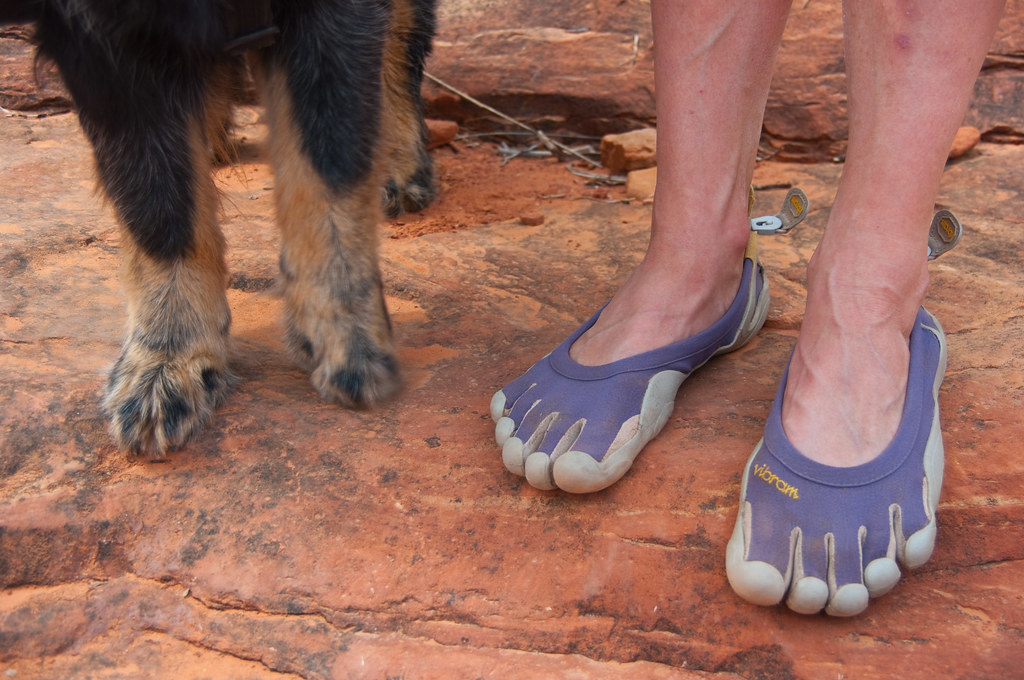
What genuinely separates the two — and why fit matters more than which category you pick.

Key Takeaways
- Boots and trail runners each have real advantages — neither is universally "better"
- Ankle support matters less than most marketing suggests; terrain and pack weight matter more
- Trail runners are usually the better default for shorter, well-maintained family hikes
- Boots earn their weight on rougher terrain, in cold/wet conditions, or with heavier packs
- Fit matters more than category — a well-fitted trail runner beats a poorly-fitted boot every time
The Debate Is Older Than It Needs to Be
Hiking boots vs. trail runners gets treated like a permanent rivalry, but the honest answer is that both are good tools for different situations. For most family hiking — the kind covered in our guide to picking a kid-friendly hike — the terrain and trip length matter more than brand loyalty to one category.
What Boots Actually Offer
- Ankle support — genuinely useful on uneven, rocky terrain where a rolled ankle is a real risk, less relevant on smooth, maintained trails
- Durability — generally hold up longer under heavy or frequent use
- Warmth and water resistance — better suited to cold, wet, or snowy conditions
- Structure under a loaded pack — if you're carrying significant weight (multi-day gear, a toddler carrier), boots provide more support
What Trail Runners Actually Offer
- Lighter weight — less fatigue over a day of hiking, which matters more for shorter family outings than raw ankle support does
- Better ventilation — more comfortable in warm weather, dry faster if they get wet
- Faster break-in — usually comfortable within the first wear or two, versus boots that can take several hikes to break in properly
- More natural movement — closer to a regular shoe feel, which some kids and adults find easier to adjust to
The Ankle Support Myth, Briefly
Research on hiking injuries hasn't consistently shown that boots reduce ankle rolls compared to trail runners — strength and stability come more from the muscles around the ankle than the boot cuff itself. This doesn't mean boots offer nothing; it means the "you need boots or you'll roll an ankle" framing oversells the actual protection difference for most trail conditions.
A Practical Default for Family Hikes
For the shorter, well-maintained trails most families start with — the kind with moderate elevation gain and clear, packed-dirt or gravel surfaces — trail runners are usually the better default. They're lighter, more comfortable for kids who aren't used to stiff footwear, and require less break-in time before a trip. Boots earn their place once you're dealing with rougher, rockier terrain, cold or wet seasonal conditions, or hikes long enough that a heavier pack changes the equation.
Fit Beats Category Every Time
A trail runner that fits well — room to wiggle toes, no heel slipping, broken in before the actual hike — will outperform a boot that doesn't fit properly, regardless of which category is "supposed" to be better. Always prioritize an actual in-store or well-reviewed-online fit over defaulting to whichever category has the better reputation.
The Simple Version
Start with trail runners for shorter, well-maintained family hikes. Move toward boots as terrain gets rougher, weather gets colder or wetter, or pack weight increases. And regardless of which you choose, fit matters more than which category you picked.